5101 Dunlea Ct, Ste 204B • Wilmington, NC 28480 • P: 910.386.1078 • F: 910.838.6201

Wilmington Neurofeedback
  • Home
  • About Us
    • Our Mission
    • Meet the Team
    • Why Choose Us
    • Testimonials
  • Our Services
    • Brain Mapping & qEEG
    • Conditions We Support
    • ADHD/Attention & Focus
    • Anxiety & Stress
    • Sleep
    • PTSD & Trauma
    • Concussion/TBI
    • Migraines & Headaches
    • Moods & Emotions
    • Autism Spectrum
    • Learning Challenges
    • Chronic Pain
    • Peak Performance
  • Resources
    • Neurofeedback FAQs
    • Maximize Your Results
    • History of Neurofeedback
    • Helpful Resources
  • Contact Us
  • More
    • Home
    • About Us
      • Our Mission
      • Meet the Team
      • Why Choose Us
      • Testimonials
    • Our Services
      • Brain Mapping & qEEG
      • Conditions We Support
      • ADHD/Attention & Focus
      • Anxiety & Stress
      • Sleep
      • PTSD & Trauma
      • Concussion/TBI
      • Migraines & Headaches
      • Moods & Emotions
      • Autism Spectrum
      • Learning Challenges
      • Chronic Pain
      • Peak Performance
    • Resources
      • Neurofeedback FAQs
      • Maximize Your Results
      • History of Neurofeedback
      • Helpful Resources
    • Contact Us
Wilmington Neurofeedback
  • Home
  • About Us
    • Our Mission
    • Meet the Team
    • Why Choose Us
    • Testimonials
  • Our Services
    • Brain Mapping & qEEG
    • Conditions We Support
    • ADHD/Attention & Focus
    • Anxiety & Stress
    • Sleep
    • PTSD & Trauma
    • Concussion/TBI
    • Migraines & Headaches
    • Moods & Emotions
    • Autism Spectrum
    • Learning Challenges
    • Chronic Pain
    • Peak Performance
  • Resources
    • Neurofeedback FAQs
    • Maximize Your Results
    • History of Neurofeedback
    • Helpful Resources
  • Contact Us

History of Neurofeedback

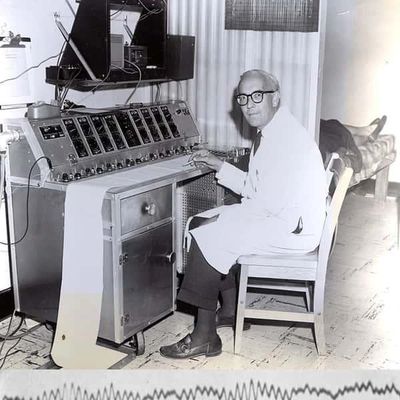
Scientist operating an old scientific instrument in a lab, black and white photo.

1960s: The Beginning

Research by M. Barry Sterman and Wanda Wyrwicka showed that brain activity could be measured and influenced using EEG.

Key Discovery: Brain Patterns Can Change

A specific brainwave pattern—sensorimotor rhythm (SMR)—was linked to deep focus and stability.

Researchers discovered the brain can learn and adapt when given real-time feedback.

1970s: Expanding the Research

Further studies at University of California, Los Angeles showed that trained brain patterns could support improved neurological stability.


This helped move neurofeedback from research into real-world application.

Today at Wilmington Neurofeedback

With advancements in technology, neurofeedback has become more precise, comfortable, and tailored to the individual.


At Wilmington Neurofeedback, we build on this progress with a personalized approach designed to support more efficient brain function—helping improve:

  • Focus & Attention 
  • Emotional Balance 
  • Sleep Quality 
  • Cognitive Performance 

Copyright © 2026 Wilmington Neurofeedback - All Rights Reserved.


* Wilmington Neurofeedback, LLC does not provide medical advice, diagnosis, or treatment. Please consult and keep your healthcare provider informed.

Powered by

  • Research

This website uses cookies.

We use cookies to analyze website traffic and optimize your website experience. By accepting our use of cookies, your data will be aggregated with all other user data.

Accept
